

Campaigns always ask these questions:
How do we recruit more volunteers? What should volunteers do? How do I keep volunteers?
It’s an important question, but I think it’s the wrong one.
A better question is:
How do we create volunteer experiences that people can’t wait to come back to?
After spending years helping campaigns build relational organizing programs, I’m convinced the answer isn’t another phone bank or another door-knocking shift.
It’s friend banking.
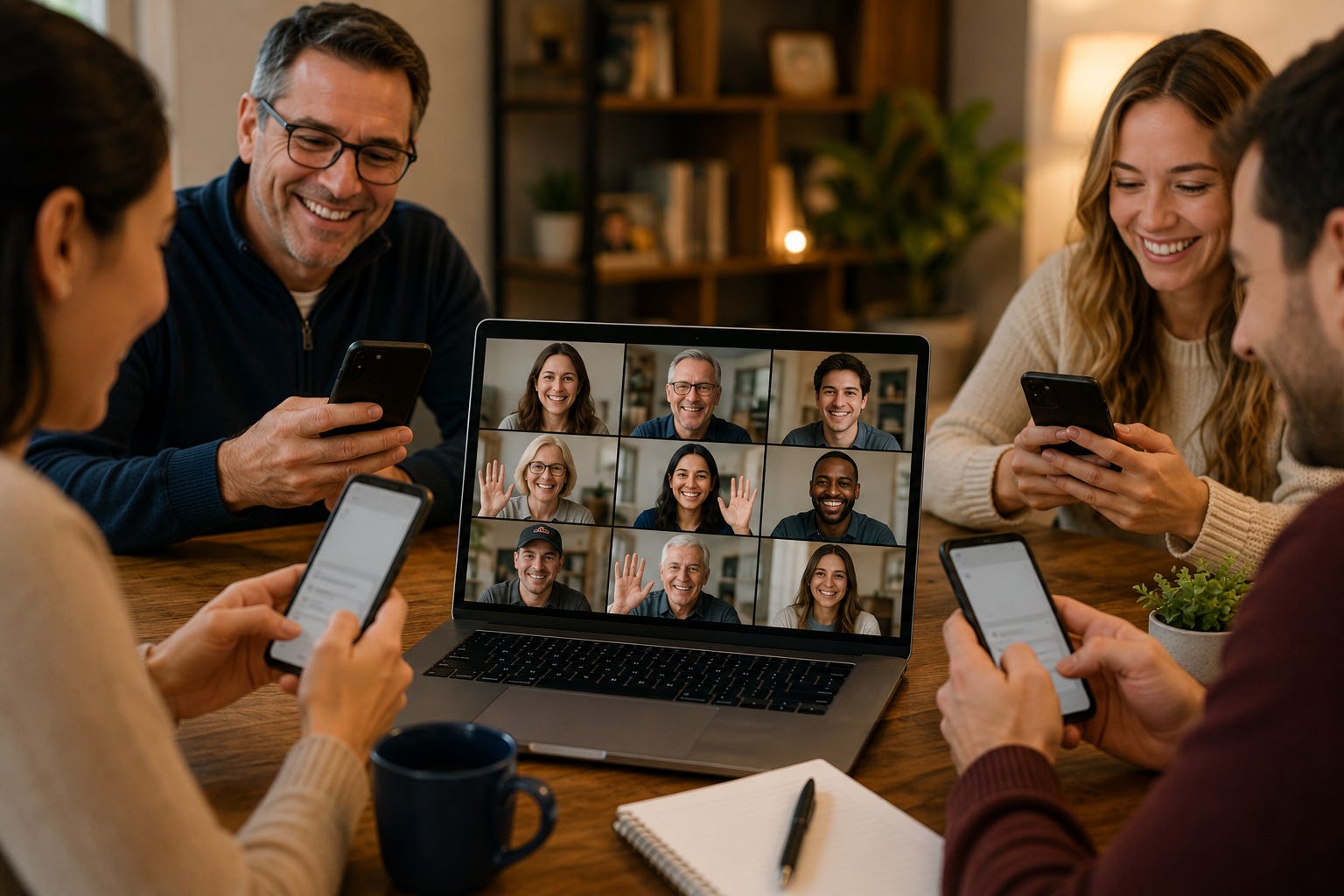
Last night, I helped a gubernatorial campaign with a Zoom call. About 40 advocates logged on to hear campaign updates, talk about state politics, ask questions, and spend time together. While the conversation continued, everyone opened the campaign’s relational organizing app (SwipeRed, of course) and started reaching out to people they already knew.
Forty minutes later, those 40 advocates had contacted 1,052 friends.
Think about that for a moment.
There were no endless lists of strangers to call. No awkward introductions. No cold conversations with people who had never heard of the candidate.
Just supporters having authentic conversations with friends they already knew and trusted.
And everyone had fun doing it.
Relational Organizing Is Different
We’ve spent years proving that relational organizing works.
Research consistently shows that people are more likely to listen to someone they know than to a television commercial, a mail piece, or even a volunteer knocking on their door. Friends influence friends. Neighbors influence neighbors. Trusted relationships move people to vote.
But there’s another advantage that doesn’t get nearly enough attention.
Relational organizing is simply more enjoyable.
Traditional campaign activities often feel like work. Volunteers are asked to spend hours calling strangers, walking unfamiliar neighborhoods, or stuffing envelopes. Those activities matter, but they can also be intimidating and exhausting.
Friend banking flips that experience on its head.
Instead of asking someone to persuade strangers, you’re asking them to have conversations with people they already care about.
That’s a much easier (and much more rewarding) ask.
More Than Voter Contact
What made last night’s event memorable wasn’t just the number of messages sent.
It was the atmosphere.
People laughed.
They shared campaign stories.
They talked about the issues facing the state.
They encouraged one another.
The candidate wasn’t just asking supporters to volunteer. The campaign was creating a community.
That’s a powerful distinction.
Campaigns often measure volunteer success by hours worked or doors knocked.
Maybe we should also measure how energized people feel when they leave.
Volunteers who enjoy the experience come back.
They invite friends.
They become advocates instead of simply volunteers.
That’s how movements grow.
Friend Banking Should Become a Weekly Campaign Tradition
The beauty of friend banking is its simplicity.
Set aside 30 to 45 minutes each week.
Invite supporters to join a Zoom meeting or gather in person.
Spend a few minutes discussing campaign news, answering questions, or introducing a guest speaker.
Then ask everyone to spend 20 or 30 minutes reaching out to their own network.
Finish by celebrating successes and sharing stories from the conversations that took place.
That’s it.
The campaign just created meaningful voter contact while strengthening the relationships between its own supporters.
It’s hard to think of another campaign activity that accomplishes both goals at the same time.
Ideas Every Campaign Can Try
Friend banking doesn’t have to look the same every week. A little creativity can keep volunteers excited and engaged.
Monday Momentum gives supporters a chance to start the week by reconnecting with friends and sharing campaign updates.
Coffee & Contacts combines a morning coffee chat with 30 minutes of outreach before work.
Friday Friend Bank wraps up the week by celebrating campaign progress and encouraging volunteers to connect with five friends before the weekend.
Debate Watch Friend Bank lets supporters watch a debate together and send messages during commercial breaks or immediately afterward while the issues are fresh.
Candidate Happy Hour gives advocates direct access to the candidate while they spend time reaching out to people in their own network.
Campaigns could even create friendly competitions between counties, legislative districts, or volunteer teams to see who can reach the most friends during a single event.
The possibilities are almost endless.
The Campaigns That Win Volunteers
Campaigns spend millions trying to persuade voters. But persuasion isn’t the only challenge.
The campaigns that win don’t just communicate; they build communities. They invest in creating a massive army of advocates who don’t simply consume campaign messages. They carry them into thousands of trusted conversations every week.
Too many campaigns overlook this opportunity.
People don’t become lifelong volunteers because they were guilted into helping.
They come back because they felt connected.
They come back because they made a difference.
They come back because they enjoyed the experience.
That’s what makes friend banking so powerful.
In a single activity, campaigns can educate supporters, strengthen relationships, build community, train volunteers, and generate authentic voter outreach, all while creating an experience people actually look forward to.
It’s one of the rare campaign activities where productivity and enjoyment grow together.
The campaigns that build the largest and most engaged armies of advocates won’t just reach more voters. They’ll create stronger movements that continue to grow long after a single event or election cycle.
Build Community, Not Just a Field Program
Winning campaigns don’t just build field operations.
They build communities.
Every campaign needs people willing to make calls, knock doors, and attend events.
But the strongest campaigns create experiences that volunteers look forward to every week.
Last night’s friend bank was proof.
Forty advocates.
Forty minutes.
More than a thousand friends reached.
And when the outreach was over, many people stayed on the Zoom just to keep talking.
That’s the kind of volunteer program every campaign should want.
Because campaigns aren’t powered by volunteers who reluctantly show up.
They’re powered by advocates who leave saying, “That was fun. When’s the next one?”